Burnham & Rayner’s Secret Meeting Fuels Labour Leadership Speculation
Reports from The Telegraph confirm that Greater Manchester Mayor Andy Burnham and Labour’s Deputy Leader Angela Rayner recently held a clandestine meeting, sending ripples through Westminster and igniting fervent speculation about the future direction of the Labour Party. The unexpected rendezvous, shrouded in secrecy, occurred amidst intense scrutiny for the current Labour leadership and increasing
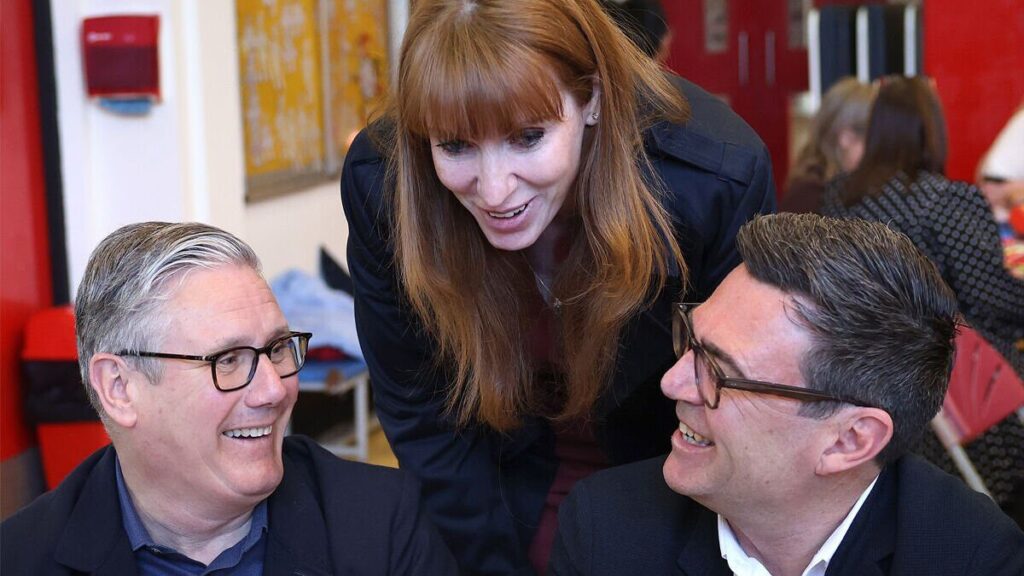
Reports from The Telegraph confirm that Greater Manchester Mayor Andy Burnham and Labour's Deputy Leader Angela Rayner recently held a clandestine meeting, sending ripples through Westminster and igniting fervent speculation about the future direction of the Labour Party. The unexpected rendezvous, shrouded in secrecy, occurred amidst intense scrutiny for the current Labour leadership and increasing calls for a more unified and effective opposition. Sources close to both politicians have remained tight-lipped about the agenda, but the timing alone has sparked a fresh wave of commentary on potential challenges to the party's top echelons. This development comes as Labour grapples with persistent polling challenges and an ongoing debate about its electability, making any high-level, unscheduled discussion between prominent figures a subject of immediate political intrigue.
Speculation surrounding Labour's leadership has been a recurring theme, particularly after a series of disappointing electoral performances. While Keir Starmer currently leads the party, questions persist about his ability to connect with traditional Labour voters and present a compelling alternative. Both Burnham and Rayner are significant figures within the party, each with distinct strengths and a loyal following. Burnham, often dubbed the "King of the North," enjoys high public approval in his mayoral role, known for pragmatic, people-focused politics. Rayner, with her working-class roots and strong parliamentary presence, is a formidable orator and a key voice on the party's left. Their combined influence, if exerted in a coordinated manner, could significantly alter the internal dynamics of the party.
The implications of this secret meeting are multifaceted. One school of thought suggests it could be a preliminary discussion about a joint ticket for a future leadership challenge, forming a powerful alliance. Another theory posits it could be a strategic alignment to pressure the current leadership on specific policy issues or advocate for a particular ideological direction. It might also represent an effort to bridge different factions within Labour. Regardless of the immediate purpose, the meeting signals a period of heightened internal activity and potential realignment. The Labour Party, already under pressure to present a credible government-in-waiting, must now contend with the narrative of internal machinations, which could either galvanize or destabilize its efforts to unite and project strength.
The revelation of the meeting has prompted varied reactions from both the public and within Labour ranks. While some view it as a healthy sign of internal debate and strategic planning, others might see it as a distraction or symptom of disunity at a critical juncture. The current Labour leadership will undoubtedly be monitoring the situation closely, understanding that such a high-profile gathering cannot be easily dismissed. For party members, the news offers both intrigue and anticipation, as they ponder what this alliance or discussion might mean for the party's direction. Political analysts are now watching for any subsequent actions or public statements from Burnham and Rayner.