S&P Warns Global Growth Slows on Energy Shock
Global economic growth is expected to slow to 3.2% in 2026 as an escalating conflict in West Asia triggers what analysts describe as the most severe energy shock on record, according to a new S&P Global assessment. According to Britain Chronicle analysis, the revised outlook underscores how deeply modern economies remain exposed to disruptions in
Global economic growth is expected to slow to 3.2% in 2026 as an escalating conflict in West Asia triggers what analysts describe as the most severe energy shock on record, according to a new S&P Global assessment.
According to Britain Chronicle analysis, the revised outlook underscores how deeply modern economies remain exposed to disruptions in energy supply chains and key maritime routes.
The warning comes as oil and gas markets face heightened volatility due to restricted shipping through strategic corridors and damage to major production infrastructure.
What Happened?
A report from S&P Global, cited by CRISIL, projects global growth will slow from 3.4% in the previous year to 3.2% in 2026 due to the ongoing West Asia conflict.
The analysis describes the situation as the “largest energy shock on record,” driven by disruptions to oil production, liquefied natural gas exports, and global shipping routes.
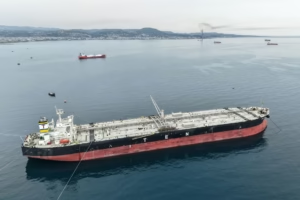
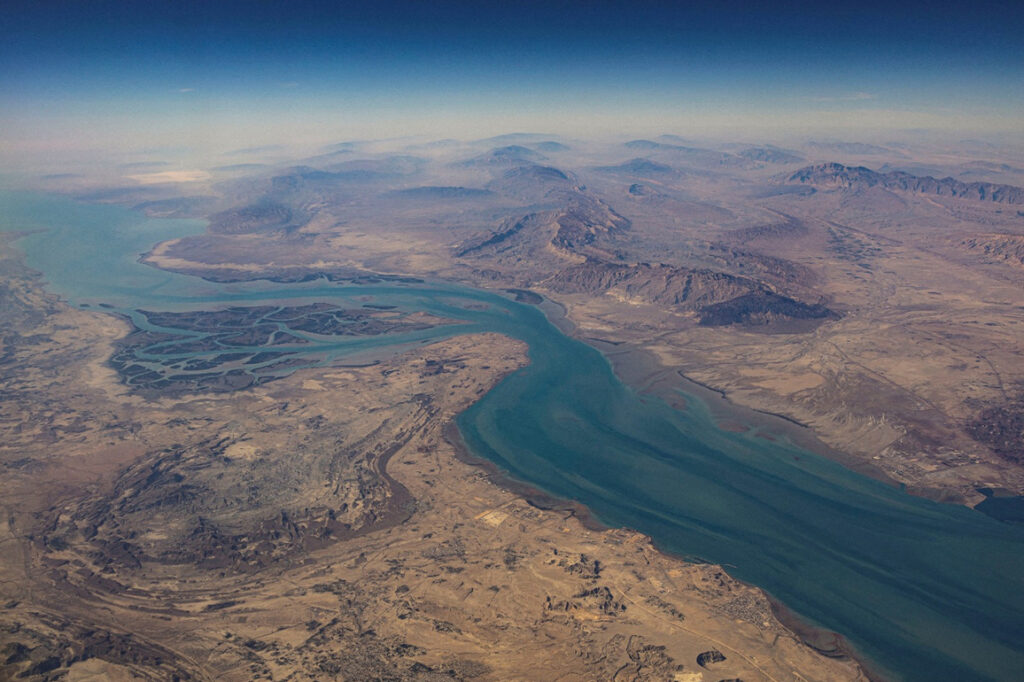
One of the most critical chokepoints affected is the Strait of Hormuz, which handles around one-fifth of global oil flows and is currently subject to restricted passage conditions.
The report also highlights shutdowns and damage to key energy infrastructure, including partial disruption of major liquefied natural gas facilities in the region.
S&P Global notes that energy-importing regions such as Europe and Asia are expected to bear the heaviest economic burden due to rising import costs and supply uncertainty.
Why This Matters
Energy supply disruptions are now directly shaping global growth expectations, with oil and gas acting as a central transmission channel for economic risk.
Even moderate interruptions in supply routes can quickly translate into higher inflation, reduced consumer spending, and slower industrial output across multiple regions.
The scale of the current shock is significant because it affects both oil and liquefied natural gas markets simultaneously, amplifying pressure on import-dependent economies.
This creates a structural challenge for policymakers, who must balance inflation control with slowing growth conditions in already fragile global markets.
What Analysts or Officials Are Saying
S&P Global warns that risks to the outlook remain “decisively on the downside,” particularly if energy disruptions intensify or infrastructure damage worsens.
The base-case forecast assumes Brent crude averaging around $92 per barrel in the near term before gradually easing to lower levels by 2027, though volatility remains high.
Analysts also point to upside risks in the event of prolonged disruption to critical facilities or extended closure of key maritime routes.
Industry observers note that liquefied natural gas markets have experienced sharp upward revisions in pricing expectations due to constrained supply conditions.
Britain Chronicle Analysis
The downgrade in global growth forecasts reflects a broader structural vulnerability in the world economy: its dependence on concentrated energy supply routes.
When critical chokepoints like the Strait of Hormuz are disrupted, the impact extends far beyond energy markets, feeding directly into inflation, trade flows, and investment decisions.
What makes the current shock more severe is its dual impact on both oil and gas infrastructure, reducing the flexibility of global energy substitution.
This environment increases the likelihood of uneven economic outcomes, where energy-importing regions experience sharper slowdowns while producers benefit from elevated prices.
For policymakers, the challenge is no longer just stabilising growth but managing repeated supply-side shocks that originate outside traditional economic systems.
What Happens Next
Markets will closely track energy price movements, particularly Brent crude and LNG benchmarks, as indicators of whether supply conditions are stabilising or deteriorating further.
Any escalation in regional conflict or further infrastructure damage could push growth forecasts lower and intensify inflationary pressures globally.
International institutions and major economies are likely to reassess growth projections as new data emerges on energy supply constraints.
The medium-term outlook will depend heavily on whether geopolitical tensions ease or continue to disrupt key global energy corridors.
Sustainable Empathy Leadership: Preventing Manager Burnout

Global Business Districts Rebound as Economic Hubs: EY Report

AI Floods Creative Market: The Need for Industry Governance

IMF warns Europe on targeted war energy support

Ireland’s Data Center Boom Strains Power and Growth Model
Iran Crisis Pushes EU Economy Off Summit Agenda