
Cádiz Ranked Among Europe’s Best Cheap Beach Holidays
A Spanish coastal city has been named one of Europe’s best budget-friendly seaside destinations for 2026, according to a new ranking by TimeOut. The list highlights affordable beach locations across the continent, moving beyond traditional low-cost hotspots to include culturally rich cities that still offer strong value for money. According to Britain Chronicle analysis, the
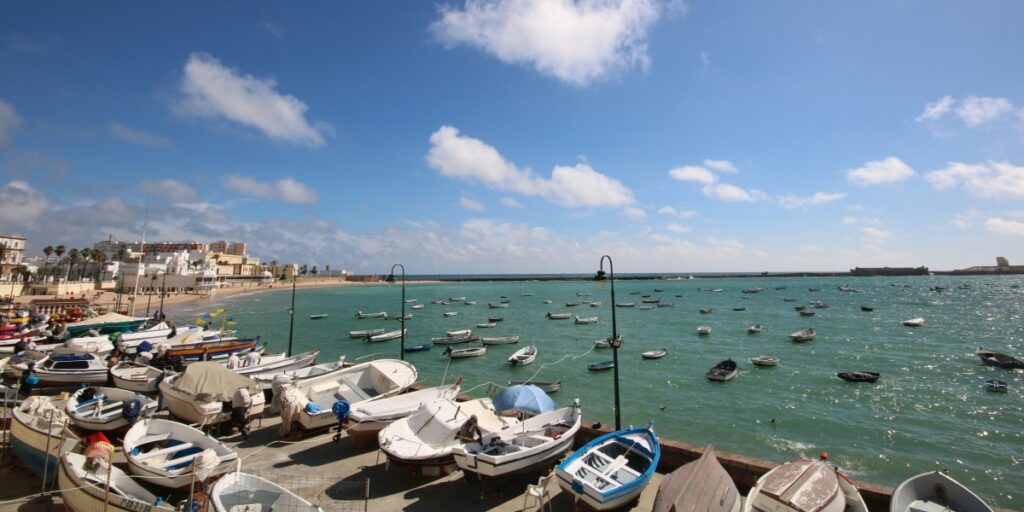
A Spanish coastal city has been named one of Europe’s best budget-friendly seaside destinations for 2026, according to a new ranking by TimeOut. The list highlights affordable beach locations across the continent, moving beyond traditional low-cost hotspots to include culturally rich cities that still offer strong value for money.
According to Britain Chronicle analysis, the inclusion of Cádiz reflects a growing travel trend where tourists are prioritising authentic city-beach destinations that combine history, culture, and affordability rather than isolated resort experiences.
The Andalusian city secured sixth place in the ranking, standing out for its mix of Atlantic coastline, historic charm, and relatively low visitor costs compared with Spain’s more commercialised southern destinations.
WHAT HAPPENED?
Cádiz has been recognised as one of Europe’s most affordable beach holiday destinations in TimeOut’s 2026 list, which evaluates travel locations based on cost, accessibility, and overall experience.
Located in the southern region of Andalucía, Cádiz is one of Europe’s oldest continuously inhabited cities, with origins dating back to Phoenician civilisation. Unlike purpose-built tourist resorts, the city integrates its beaches directly into everyday urban life.
Its main beaches, including La Caleta and Playa de la Victoria, are known for wide sandy stretches and Atlantic-facing waters. The surrounding Cádiz province also features several Blue Flag beaches, adding to its appeal for budget-conscious travellers seeking quality coastal experiences.
The city is also generally more affordable than nearby Spanish destinations such as Málaga or Seville, particularly outside peak summer months when accommodation prices rise sharply.
WHY THIS MATTERS
The recognition highlights a shift in European tourism patterns, where affordability is increasingly linked with cultural depth rather than just low prices. Travellers are now seeking destinations that offer both financial value and authentic local identity.
Cádiz fits this trend by combining accessible beaches with a strong historical identity and a functioning local city environment. This distinguishes it from more commercialised resort towns where tourism dominates everyday life.
The ranking also reflects wider cost-of-living pressures across Europe, with travellers becoming more selective about destinations that offer balanced pricing for accommodation, food, and entertainment.
Spain continues to benefit from this trend, as its southern coastal regions remain competitive in price while offering consistent weather and established infrastructure.
WHAT TRAVEL ANALYSTS ARE SAYING
Travel observers note that cities like Cádiz are gaining popularity because they provide a more integrated experience of culture and coastline. Rather than isolated holiday zones, these destinations allow visitors to experience local life alongside beach tourism.
The city’s reputation for seafood and traditional Andalusian cuisine is also a key factor in its appeal. With access to fresh Atlantic produce, Cádiz has developed a strong culinary identity that remains relatively affordable compared to larger Spanish cities.
Tourism analysts also highlight that off-peak travel periods can significantly reduce costs, making cities like Cádiz even more attractive for flexible travellers.
The combination of historic architecture, coastal scenery, and accessible pricing continues to strengthen its position within Europe’s competitive travel market.
BRITAIN CHRONICLE ANALYSIS
Cádiz’s inclusion in a Europe-wide budget travel ranking reflects a broader transformation in how affordability is defined in tourism. Cheap travel is no longer associated only with lesser-known destinations, but increasingly with established cities that have managed to maintain price balance.
This shift suggests that travellers are prioritising overall value rather than simply the lowest possible cost. Destinations that can offer cultural depth, reliable infrastructure, and natural appeal are now competing strongly against traditional budget beach locations.
There is also an economic implication for coastal cities across Europe. As demand grows for affordable yet high-quality destinations, cities like Cádiz may face increasing pressure on housing, infrastructure, and seasonal tourism management.
The challenge ahead will be maintaining affordability without losing local character, particularly as international visibility continues to rise.
WHAT HAPPENS NEXT
Cádiz is likely to see continued growth in tourism interest heading into the 2026 travel season, especially among European travellers seeking budget-friendly coastal options.
Local authorities and tourism operators may focus on managing seasonal demand, particularly during peak summer months when prices and visitor numbers typically rise.
At the same time, competition among European beach destinations is expected to intensify as more cities reposition themselves as affordable alternatives to traditional resort areas.
If current trends continue, Cádiz could strengthen its status not only as a historical Spanish city but also as a leading example of sustainable, value-driven coastal tourism in Europe.
Outer Hebrides Wildflowers Bloom: Scotland’s Machair Dream

Russian influencers break silence on Putin crackdown

Forbes 30 Under 30 Europe 2026 Highlights UK Talent Rise

Ten Lifestyle Group shares signal overvaluation concerns

Europe’s 12 Must-Visit Art Museums for Travelers

Chris Stapleton Scores Chart Hit With Mumford Duet