IMF warns Europe on targeted war energy support
IMF Europe targeted energy support guidance has been issued as the International Monetary Fund warns European governments to avoid broad subsidies despite rising energy costs triggered by the conflict in the Middle East. According to Britain Chronicle analysis, the IMF’s message reflects growing concern in global financial institutions that repeated large-scale support packages could strain
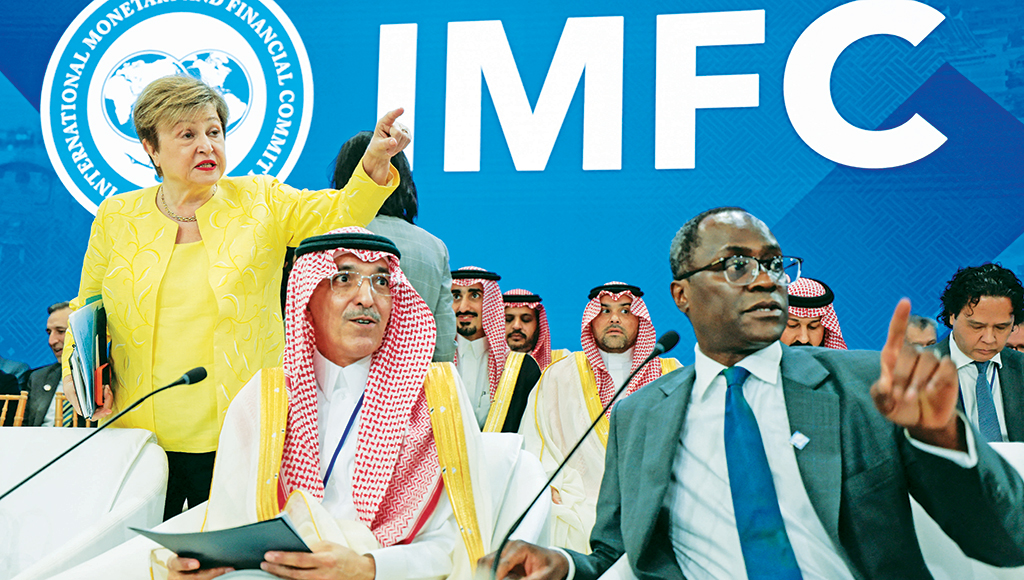
IMF Europe targeted energy support guidance has been issued as the International Monetary Fund warns European governments to avoid broad subsidies despite rising energy costs triggered by the conflict in the Middle East.
According to Britain Chronicle analysis, the IMF’s message reflects growing concern in global financial institutions that repeated large-scale support packages could strain European public finances while distorting energy markets.
The warning comes as Europe continues to face volatility in oil and gas prices following disruption to key global shipping routes and ongoing geopolitical instability.
What Happened?
IMF Europe targeted energy support advice was delivered during a briefing in Washington, where officials outlined how European governments should respond to the latest energy shock linked to the Middle East conflict.
The IMF said the war and resulting disruption to the Strait of Hormuz have contributed to a sharp rise in global energy prices, leaving Europe particularly exposed due to its reliance on imported oil and gas.
The situation follows military escalation involving strikes on Iran and retaliatory actions that have significantly disrupted energy flows through one of the world’s most important maritime routes.
Officials noted that European countries are already preparing or expanding fiscal support measures for households and businesses to offset higher energy costs.
However, the IMF stressed that governments should avoid fully absorbing price increases through broad subsidies, arguing that energy prices need to reflect real supply and demand conditions.
Why This Matters
IMF Europe targeted energy support recommendations highlight a key economic tension: protecting households from price shocks while maintaining fiscal discipline and market stability.
Europe’s previous experience during the energy crisis following Russia’s invasion of Ukraine showed how costly widespread subsidies can become, with support packages reaching significant portions of GDP.
While such interventions helped stabilise households in the short term, they also placed long-term pressure on national budgets and increased fiscal vulnerability in several member states.
The IMF argues that without targeted assistance, governments risk weakening price signals that encourage energy efficiency and demand adjustment.
At the same time, rising energy costs continue to pose risks for industrial competitiveness, inflation control, and consumer purchasing power across the euro area.
What Analysts or Officials Are Saying
IMF Europe targeted energy support guidance was delivered by Alfred Kammer, head of the IMF’s European Department, who emphasised the importance of focusing aid on vulnerable households.
He noted that previous energy support programmes during the Russian gas crisis were expensive and could have been significantly reduced through better targeting.
The IMF also advised European Central Bank policymakers to maintain a neutral monetary stance while assessing the evolving impact of energy-driven inflation.
European governments, according to IMF officials, are increasingly balancing political pressure for broad relief with institutional recommendations for more selective fiscal intervention.
The IMF further downgraded its euro area growth forecast, citing weaker economic momentum linked in part to ongoing energy uncertainty.
Britain Chronicle Analysis
IMF Europe targeted energy support policy advice exposes a recurring structural challenge in European economic governance: balancing social protection with market efficiency during repeated external shocks.
Europe’s dependence on imported energy means that geopolitical instability quickly translates into domestic economic pressure, forcing governments into reactive policy cycles.
The IMF’s insistence on targeted support reflects an attempt to prevent short-term political responses from creating long-term fiscal strain.
However, in practice, narrowing eligibility for energy assistance can be politically difficult, particularly during periods of high public sensitivity to inflation and living costs.
This creates a policy dilemma for European leaders: broader subsidies risk fiscal overload, while limited support risks social and political backlash.
The broader implication is that Europe’s energy vulnerability is no longer just an external issue but a core constraint shaping fiscal and monetary policy decisions across the bloc.
What Happens Next
IMF Europe targeted energy support guidance is likely to influence upcoming budget decisions across several European governments as they reassess energy subsidy programmes.
Policy discussions will likely focus on refining eligibility criteria to better target low-income households while reducing overall fiscal exposure.
At the same time, energy markets will remain sensitive to geopolitical developments, particularly in relation to Middle East supply routes and global shipping stability.
The European Central Bank’s future policy direction will also be closely watched as inflation trends continue to be shaped by energy price fluctuations.
In the coming months, Europe is expected to face continued pressure to balance economic stability with long-term fiscal sustainability in the face of repeated external shocks.
Sustainable Empathy Leadership: Preventing Manager Burnout

Global Business Districts Rebound as Economic Hubs: EY Report

AI Floods Creative Market: The Need for Industry Governance

Ireland’s Data Center Boom Strains Power and Growth Model
Iran Crisis Pushes EU Economy Off Summit Agenda
Lagarde Says Eurozone Economy Falls Below ECB Outlook