
Keir Starmer’s resignation UK PM race begins
British politics has entered a major shift after the resignation of Keir Starmer. His departure has opened a leadership contest inside the Labour Party. The move has placed the country on track for a new prime minister and a fresh political direction. Reports suggest that Andy Burnham is a leading figure in the race to
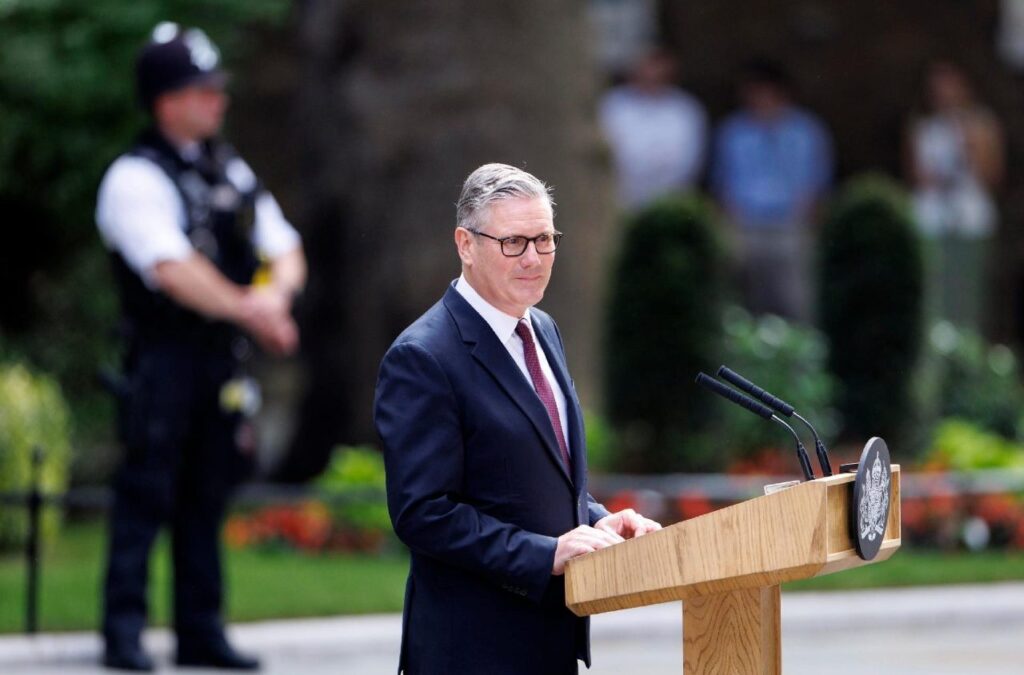
British politics has entered a major shift after the resignation of Keir Starmer. His departure has opened a leadership contest inside the Labour Party. The move has placed the country on track for a new prime minister and a fresh political direction. Reports suggest that Andy Burnham is a leading figure in the race to replace him. The situation has added more pressure on a political system already facing public frustration over living costs, public services, and immigration concerns.
Keir Starmer announced his resignation outside his official residence in London. He said he will ask the Labour Party organising committee to set a timeline for the leadership contest. Nominations are expected to open on July 9 and close by mid July. He pledged to support an orderly transition of power and help ensure a smooth handover to his successor. His resignation follows growing pressure within the Labour Party after poor election results and declining support among voters.
A leadership race is now expected to begin quickly within the party. Andy Burnham has confirmed that he will enter the contest. He is widely seen as a strong public figure with high popularity among Labour supporters. Another possible contender, Wes Streeting, has also indicated support for Burnham’s leadership bid. The contest is expected to move fast, with party members preparing to choose a new leader in a short time frame.
The resignation comes after months of weakening support for Starmer inside the Labour Party. The pressure increased further after the party performed poorly in local elections in early May. It also intensified following a by election in Makerfield, where Burnham won a strong victory and returned to parliament. That result boosted confidence among Labour members who believe the party needs a new direction to regain public trust. Burnham’s win was also seen as a setback for Nigel Farages Reform Party, which has been rising in national opinion polls.
Britain is now heading toward its seventh prime minister in ten years, a level of turnover not seen in nearly two centuries. This reflects ongoing political instability and growing voter dissatisfaction. Many people across the country remain frustrated with rising living costs, strained public services, and immigration policy debates. These issues have continued to dominate political discussion and weaken public trust in government leadership.
The Labour leadership contest is expected to be completed quickly, with nominations opening in early July. The final decision will be made through internal party voting. Andy Burnham is currently viewed as the front runner, although the outcome is not guaranteed. The new leader will face immediate pressure to stabilize the party and address key national concerns. The resignation of Keir Starmer marks a turning point in UK politics and sets the stage for a critical leadership battle in the coming weeks.