NATO Ukraine aid block sparks rift in alliance talks
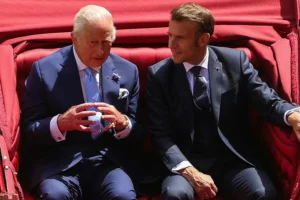
Several NATO member states, including the United Kingdom and France, have reportedly blocked a proposal aimed at increasing long-term military aid for Ukraine. The plan was put forward by NATO Secretary General Mark Rutte and was expected to be discussed ahead of an upcoming alliance summit in Ankara. According to reports cited by The Telegraph,
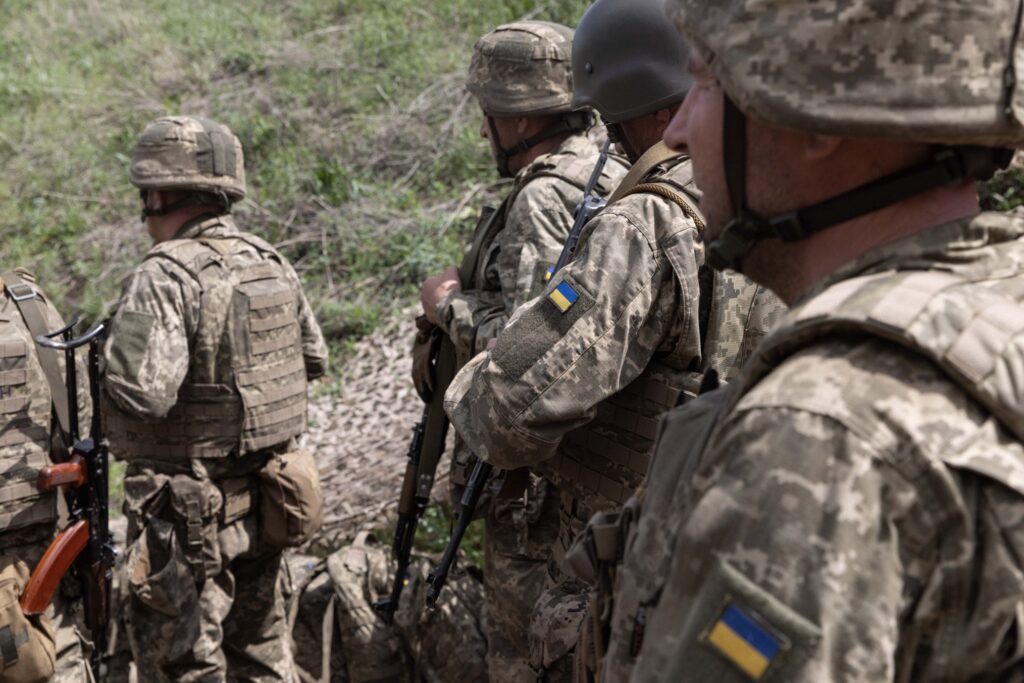
Several NATO member states, including the United Kingdom and France, have reportedly blocked a proposal aimed at increasing long-term military aid for Ukraine. The plan was put forward by NATO Secretary General Mark Rutte and was expected to be discussed ahead of an upcoming alliance summit in Ankara.
According to reports cited by The Telegraph, the proposal called on NATO members to commit at least 0.25% of their gross domestic product each year to military assistance for Ukraine. The aim was to create a more stable and predictable funding system for Kyiv as it continues its war with Russia.
The proposal received backing from at least seven NATO countries that already meet or exceed the suggested spending level. These countries include several Baltic and Nordic states as well as Poland and the Netherlands. However, NATO decisions require unanimous agreement, which led to the plan being blocked.
The reported opposition came from five member states: the United Kingdom, France, Spain, Italy, and Canada. Their decision has highlighted divisions within the alliance over how far and how fast support for Ukraine should be increased.
The involvement of the UK and France is seen as especially significant. Both countries have consistently presented themselves as strong supporters of Ukraine since Russia’s full-scale invasion began. The United Kingdom, in particular, has been one of Kyiv’s largest military backers in Europe.
Britain currently provides around £3 billion, or about $9 billion, in annual assistance to Ukraine. This equals roughly 0.1% of its GDP, which is below the proposed 0.25% benchmark. While the UK remains one of the top donors in total spending, the gap between current and proposed levels has become a point of political debate.
The French position also adds weight to the discussion, as Paris has played a key role in European security planning. Together with other major NATO members, both countries are now facing questions about how to balance domestic spending pressures with long-term support for Ukraine.
The reported blockage comes at a time of increased scrutiny of Western policy toward Russia. The UK government has recently faced attention after easing restrictions on certain fuel imports linked to Russian oil processed in third countries. Critics argue this reflects the complexity of maintaining unified sanctions and support measures.
Data from the Kiel Institute for the World Economy shows that several NATO members already spend at or above the proposed 0.25% threshold on Ukraine assistance. These include countries in Eastern Europe and the Nordic region, which have taken a more aggressive stance in supporting Kyiv both financially and militarily.
At the same time, NATO continues to expand its military readiness activities. Recent large-scale exercises have involved tens of thousands of troops across Europe, including the Baltic region and Arctic areas. These drills are designed to test rapid deployment, coordination, and response to high-intensity conflict scenarios.
One recent exercise, known as Arrcade Strike, involved personnel from multiple NATO countries, including the UK and the United States. The drill was held in London’s unused Charing Cross underground station and simulated complex multi-domain operations.
The exercise scenario included a hypothetical Russian invasion of Estonia in 2030, reflecting NATO planning assumptions about future security risks in Eastern Europe. Under the scenario, NATO members would activate Article 5, the alliance’s collective defense clause, in response to an attack.
Military planners used the exercise to simulate command operations across land, sea, air, cyber, and space domains. Officials say such training is designed to improve coordination between member states in case of a large-scale conflict.
NATO also began broader military drills across the Baltic and Arctic regions earlier this month. These exercises included rapid troop deployment and joint operational planning near Russia’s borders. Officials say the goal is to improve readiness for high-intensity conventional warfare scenarios.
The debate over Ukraine funding highlights growing tensions within NATO over long-term strategy. While some members push for increased and fixed financial commitments, others are more cautious due to economic pressures and domestic political concerns.
As discussions continue ahead of the summit, alliance unity on Ukraine support remains under pressure. The outcome of future negotiations is expected to shape both military aid levels and NATO’s broader strategic direction in the coming years.