
Royal Navy submarine fleet faces major crisis
Reports in the UK have raised fresh concern about the state of the Royal Navy submarines fleet. Several media claims say that all five Astute-class nuclear-powered attack submarines are currently not ready for active sea missions at the same time. The situation has sparked debate about naval readiness, maintenance delays, and long-term defence planning. The
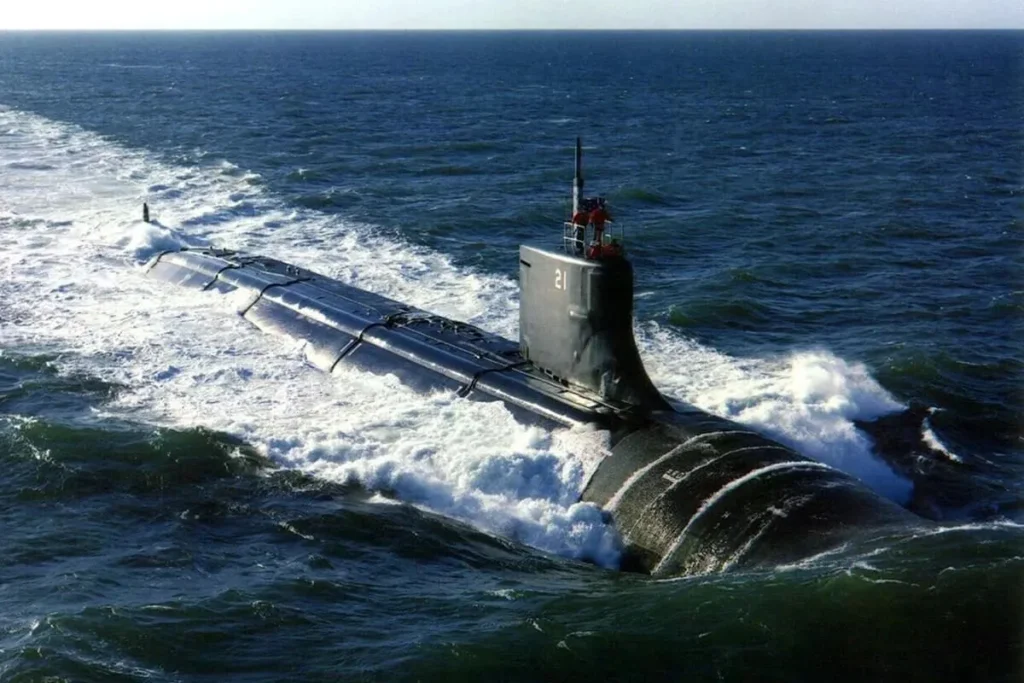
Reports in the UK have raised fresh concern about the state of the Royal Navy submarines fleet. Several media claims say that all five Astute-class nuclear-powered attack submarines are currently not ready for active sea missions at the same time. The situation has sparked debate about naval readiness, maintenance delays, and long-term defence planning.
The claims first appeared in a British newspaper report and were later picked up in wider media discussion. According to these reports, the submarines are either undergoing repairs, scheduled maintenance, or waiting for available dockyard capacity. This has led to questions about how quickly the fleet can return to full operational status.
The Astute-class submarines are a key part of the United Kingdom’s naval defence. They are designed for a wide range of missions. These include tracking enemy submarines, protecting aircraft carriers, and gathering intelligence. They also support wider NATO operations. Because of this role, any delay in their availability attracts strong attention from defence analysts.
The report suggests that technical problems and limited repair facilities have contributed to the situation. It also points to wider pressure on the UK’s defence maintenance system. Shipyards have faced long workloads in recent years. This has affected schedules for both surface ships and submarines.
Some defence observers quoted in media coverage warned that a reduced number of active attack submarines could limit operational flexibility. They argue that submarines play a key role in underwater surveillance and deterrence. Without enough active boats, response time to threats could be slower in some scenarios.
However, the Ministry of Defence has not confirmed the most extreme claims about the fleet being fully inactive at sea. In previous statements on related issues, officials have said that submarine availability can change depending on maintenance cycles. They also stress that national waters remain protected through a combination of assets, including patrol aircraft and surface warships.
The situation has also come at a time when the UK Parliament has increased scrutiny of defence planning. A recent report from lawmakers highlighted delays in a wider defence investment plan and raised concerns about procurement costs and long-term readiness. While that report did not focus only on submarines, it added to broader questions about military capacity and planning delays.
The Astute-class programme itself is one of the most advanced submarine projects in the Royal Navy. Each vessel is nuclear-powered and designed to operate for long periods without surfacing. They are also equipped with advanced sonar systems and can carry Tomahawk cruise missiles. Maintaining such complex systems requires highly specialised dockyard support, which is limited.
Defence analysts say that modern submarine fleets often operate in cycles. At any given time, some boats are active while others are in maintenance. However, they also note that overlapping maintenance periods can reduce operational availability more than planned. This is why scheduling and repair capacity are seen as critical.
Reports have also linked the situation to wider challenges in UK defence infrastructure. These include workforce shortages in shipyards, aging maintenance facilities, and rising costs in defence contracts. Officials have acknowledged pressure on the system but say investment is being increased to improve long-term capacity.
Some media commentary has gone further, warning of potential risks to underwater infrastructure such as communication and energy cables. These claims have not been independently confirmed by the government. Security experts generally agree that protecting undersea infrastructure is an important part of modern naval strategy, but they also caution against overstating immediate threats without evidence.
The Royal Navy has not issued a detailed public response to the latest reports about the full submarine fleet status. In past statements, it has said that maintenance work is essential to ensure long-term safety and performance. Officials also point out that nuclear submarines undergo strict inspection and safety checks before returning to sea.
Despite the concerns, the UK continues to invest in its future submarine capability. The Astute-class boats are expected to eventually be replaced by a new generation of submarines under long-term defence programmes. These plans aim to modernise naval forces and improve availability rates.
For now, the debate continues in political and defence circles. Supporters of increased investment argue that the situation highlights the need for faster maintenance and stronger industrial capacity. Critics say it reflects years of underfunding and planning challenges in the defence sector.
As discussions continue, the exact operational status of the Royal Navy submarines remains closely watched. What is clear is that submarine readiness has become a growing topic in the wider debate over Britain’s military strength and future defence strategy.