
UK Social Media Ban for Under 16s Planned
Britain will ban children under 16 from using a range of social media apps under a new government plan aimed at improving online safety and reducing harmful screen exposure, Prime Minister Keir Starmer announced on Monday. Starmer described the move as a major national decision, saying the government is determined to protect children from harmful
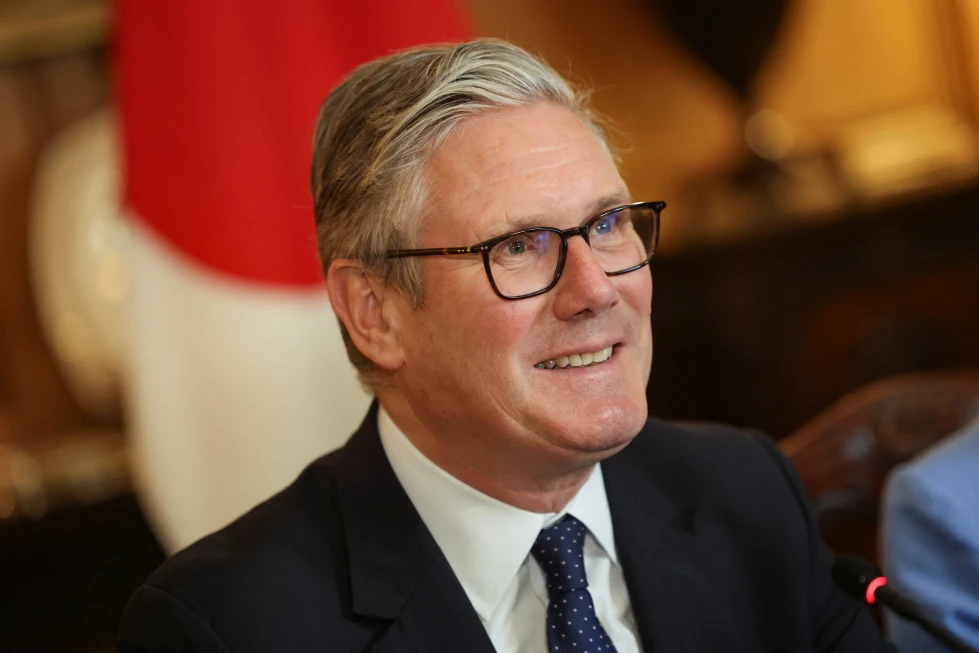
Britain will ban children under 16 from using a range of social media apps under a new government plan aimed at improving online safety and reducing harmful screen exposure, Prime Minister Keir Starmer announced on Monday.
Starmer described the move as a major national decision, saying the government is determined to protect children from harmful online content and excessive social media use. He said he would take action against technology companies if they resist the new rules, adding that child safety is a priority the government will not compromise on.
The proposed ban would place the United Kingdom among a growing number of countries introducing stricter age-based rules for social media access. Governments in Australia, Canada, Brazil, and Indonesia have already introduced or announced similar restrictions, while several European and Asian countries are considering comparable policies.
Although the UK government has not yet confirmed the full list of platforms affected, reports suggest the rules could apply to major apps such as TikTok, Instagram, Facebook, X, YouTube, Snapchat, Threads, Twitch, Kick, and Reddit. Officials have also said the measures may extend to gaming and livestreaming platforms to prevent unwanted contact between adults and children.
The policy is expected to take effect early next year. The government says the goal is to significantly reduce the number of children active on social media and encourage healthier digital habits during early development years.
Culture Secretary Lisa Nandy said the proposal follows a large public consultation that received 116,000 responses from parents, children, and technology companies. She said most respondents supported stricter age limits, although she warned that a ban alone would not solve all online safety challenges.
The government believes the new rules could lead to what officials describe as a “cultural change,” where children grow up with less dependence on social media platforms. Starmer said success would be measured by a significant drop in underage usage and improved well-being among young people.
However, the plan has already sparked debate among experts and technology specialists. Some child safety advocates support stronger regulation, while others argue that outright bans may push children toward less safe or unregulated online spaces.
Professor Jon Crowcroft of the University of Cambridge said that while the intention behind the policy is understandable, enforcement could be difficult in practice. He warned that technical barriers may not fully prevent access and suggested that platform-level regulation could be more effective than device-level restrictions.
The policy could also create diplomatic tension with the United States, where officials have raised concerns about potential impacts on free speech and American technology companies. A statement from the U.S. Embassy in London said regulations should remain narrow and carefully designed to avoid unnecessary restrictions.
The UK government argues that stronger action is needed to address rising concerns about children’s mental health, online harassment, and exposure to inappropriate content. Officials say the new rules are part of a broader effort to create a safer digital environment.
Starmer, who has faced political pressure at home over leadership concerns, said the government is confident the policy will work despite criticism. He said the aim is not only regulation but also a shift in how children engage with digital platforms.
As the policy moves toward implementation, further details are expected on enforcement methods, age verification systems, and penalties for companies that fail to comply. The debate over balancing online safety, privacy, and digital freedom is expected to continue in the months ahead.