
Steve Darling: Boost Growth with Access to Work Investment
Liberal Democrat spokesperson for work and pensions, Steve Darling, highlights the critical role of the disabled workforce in stimulating the UK’s economy. In a recent commentary, Darling argues that the government possesses a proven, yet underutilised, tool for growth: the Access to Work scheme. He challenges the prevailing narrative that often overlooks the positive potential
Liberal Democrat spokesperson for work and pensions, Steve Darling, highlights the critical role of the disabled workforce in stimulating the UK's economy. In a recent commentary, Darling argues that the government possesses a proven, yet underutilised, tool for growth: the Access to Work scheme. He challenges the prevailing narrative that often overlooks the positive potential of disabled individuals to contribute significantly to productivity, instead focusing on perceived barriers. Darling asserts that with the right support, the disabled workforce can be a powerful catalyst for economic recovery, directly addressing the nation's ongoing challenges with flatlining productivity.
Darling draws attention to a new report from The Disability Policy Centre, 'Access to Work: Employment that works,' which strongly advocates for increased government investment in this existing flagship scheme. The report provides compelling evidence of Access to Work's effectiveness, demonstrating that it helps up to 50,000 disabled people remain in employment. Crucially, it also reveals the scheme's high cost-effectiveness, calculating that it saves taxpayers nearly £70 million in government expenses that would otherwise be incurred. Darling, a direct beneficiary of Access to Work, underscores its personal impact, stating that proper funding can determine whether a disabled person can work or not.
The Disability Policy Centre's research further showcases Access to Work's superior efficiency when compared to alternative employment initiatives for disabled people. The report estimates the average annual Access to Work payment to be £4,000, with an average grant of £7,200 to sustain a disabled person in their job. This contrasts sharply with government spending of over £25,000 per 'job outcome' (created or sustained employment) on new initiatives, equating to £1.8 billion and four to six times more per outcome. The report also models substantial additional costs to the NHS (£910 per person per year) and Universal Credit (£7,386 per person) if individuals with health conditions become economically inactive, reinforcing the financial benefits of maintaining employment.
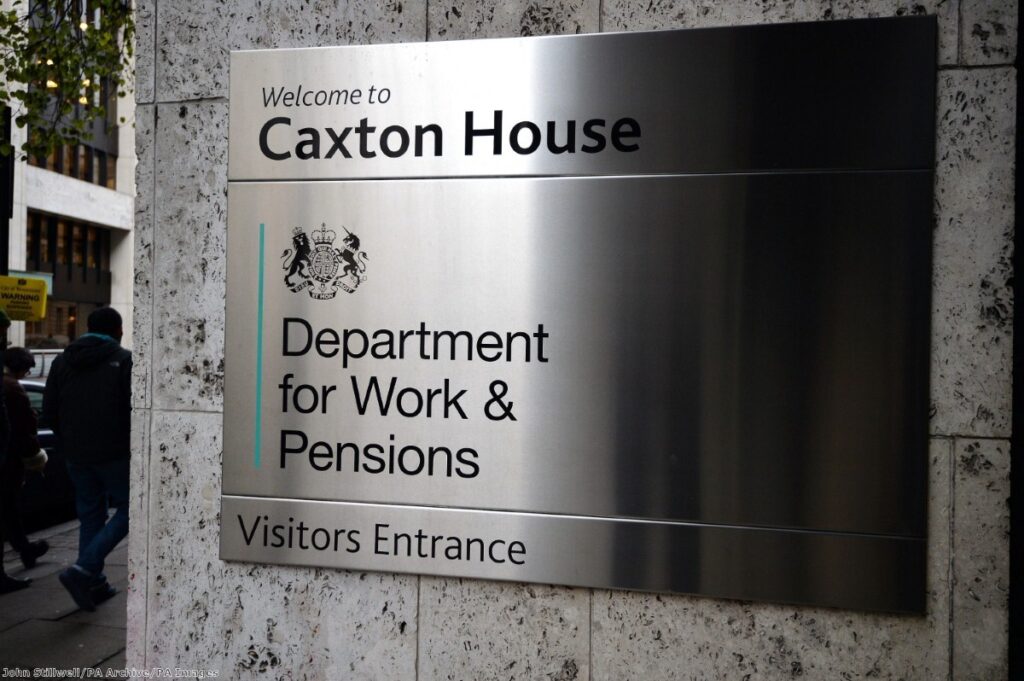
Despite these clear advantages and the scheme's proven track record, concerns have mounted over the past year regarding unofficial changes to Access to Work guidance within the Department for Work and Pensions. These changes have reportedly led to a significant increase in cuts to individuals' support. Furthermore, the National Audit Office has flagged more than 32,000 outstanding payments, causing severe financial distress for customers. Darling concludes by urging the government to acknowledge that a functional lever for increasing disabled employment already exists in Whitehall. He stresses that for the Access to Work scheme to truly revitalise the national economy and ensure a country that works for everyone, it requires sustained investment rather than the gradual erosion of its vital resources.
Source: Read Original
UK Nuclear Deterrent: Vital for Britain’s National Defence

Ministers Urged to Share Mandelson Vetting Files Amid Disclosure Row

UK Considers Under-16 AI Chatbot Ban Amid Safety Push

MP Calls for National Biosecurity Strategy UK at Core of Security

Connor Naismith: Why Blue Labour is True Labour

NHS Legal Anomaly Costs Billions: Calls for Urgent Reform