
Outer Hebrides Wildflowers Bloom: Scotland’s Machair Dream
The Outer Hebrides in Scotland are currently experiencing a vibrant summer transformation as wildflowers blanket the landscape. This breathtaking natural phenomenon, known as machair, refers to the unique coastal grasslands formed from sand and shell after the last ice age, shaped by strong Atlantic winds. Recognized as one of Europe’s most exceptional natural habitats, machair
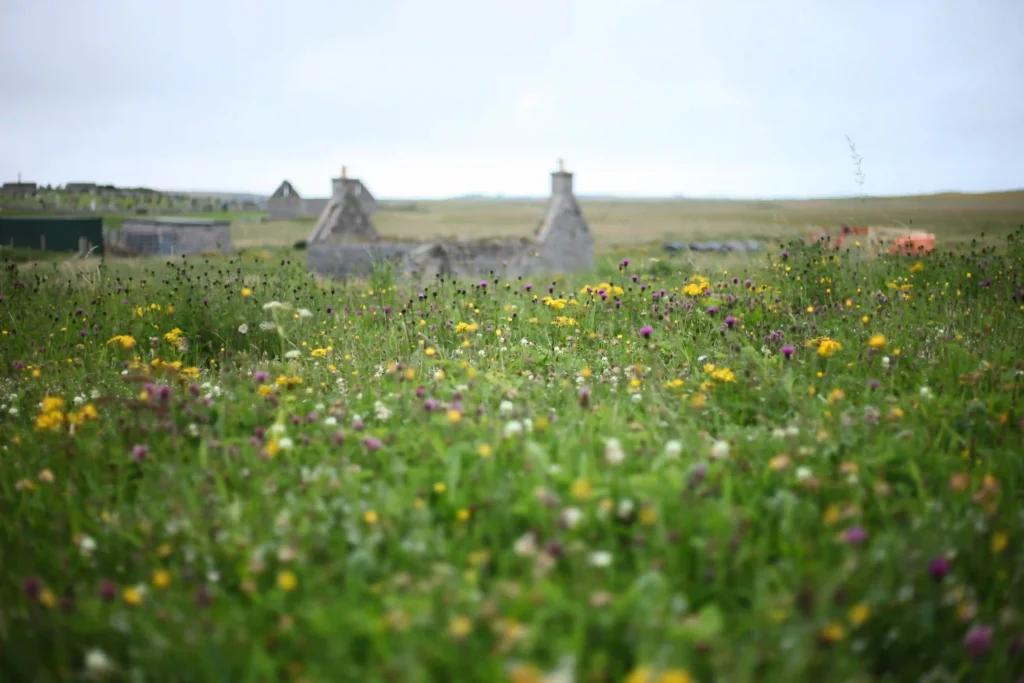
The Outer Hebrides in Scotland are currently experiencing a vibrant summer transformation as wildflowers blanket the landscape. This breathtaking natural phenomenon, known as machair, refers to the unique coastal grasslands formed from sand and shell after the last ice age, shaped by strong Atlantic winds. Recognized as one of Europe's most exceptional natural habitats, machair provides a vital ecosystem for a diverse array of flora and fauna, including numerous orchids, clover varieties, and rare plants. Otters, seals, and a variety of seabirds also thrive in this pristine environment. While the landscape appears deceptively simple from a distance, a closer inspection reveals an intricate tapestry of life, underscoring its critical role in global biodiversity. The largest expanses of this fragile yet resilient habitat are found across islands such as Barra, Uist, and Harris.
For centuries, the fertile, lime-rich machair soils have been integral to the crofting way of life, a traditional Scottish small-scale farming method. Crofting embodies a harmonious relationship with nature, where families cultivate crops and graze animals on shared land, often utilizing seaweed as a natural fertilizer to maintain soil fertility. This sustainable system simultaneously supports both agriculture and a rich variety of wildlife. Many families continue this centuries-old tradition, with some now integrating tourism to ensure the economic viability and preservation of crofting for future generations. This blend of tradition and adaptation is key to the islands' unique cultural and environmental identity, highlighting a profound respect for the land and sea that is deeply embedded in daily life.
Recent reports from visitors traveling across the islands by motorhome offer a vivid glimpse into this unparalleled beauty. Journeys beginning near Edinburgh, with a ferry crossing from Oban to Barra, quickly immerse travelers in stunning white beaches, clear waters, and villages where children play amidst emerging summer wildflowers. The machair transforms into a living carpet of red, yellow, and purple hues. On North Uist, nature reserves beautifully illustrate the coexistence of wildflowers and traditional farmlands, providing safe nesting grounds for birds and fertile soil for crops. South Uist crofters welcome guests, sharing invaluable stories and local produce. Even on the wilder, rocky terrains of Harris and Lewis, the unique character of each island is connected by a shared maritime culture. Encounters with peregrines, harriers, seals, and diving gannets underscore the rich wildlife. This blend of natural exploration, cultural immersion through museums and historic villages, and fresh local food like salmon and scallops, accessible often via honesty boxes, demonstrates the Outer Hebrides' commitment to sustainable living and its enduring appeal as a wild yet welcoming destination.
Russian influencers break silence on Putin crackdown

Cádiz Ranked Among Europe’s Best Cheap Beach Holidays
Forbes 30 Under 30 Europe 2026 Highlights UK Talent Rise

Ten Lifestyle Group shares signal overvaluation concerns

Europe’s 12 Must-Visit Art Museums for Travelers
Chris Stapleton Scores Chart Hit With Mumford Duet