
Global Business Districts Rebound as Economic Hubs: EY Report
A new report reveals that global business districts (GBDs) are experiencing a significant rebound, solidifying their status as crucial economic hubs worldwide. Despite the upheavals of the pandemic, almost two-thirds (63%) of 250 business district stakeholders surveyed anticipate these areas to be “more attractive” by 2025 compared to 2020. This robust confidence is rooted in
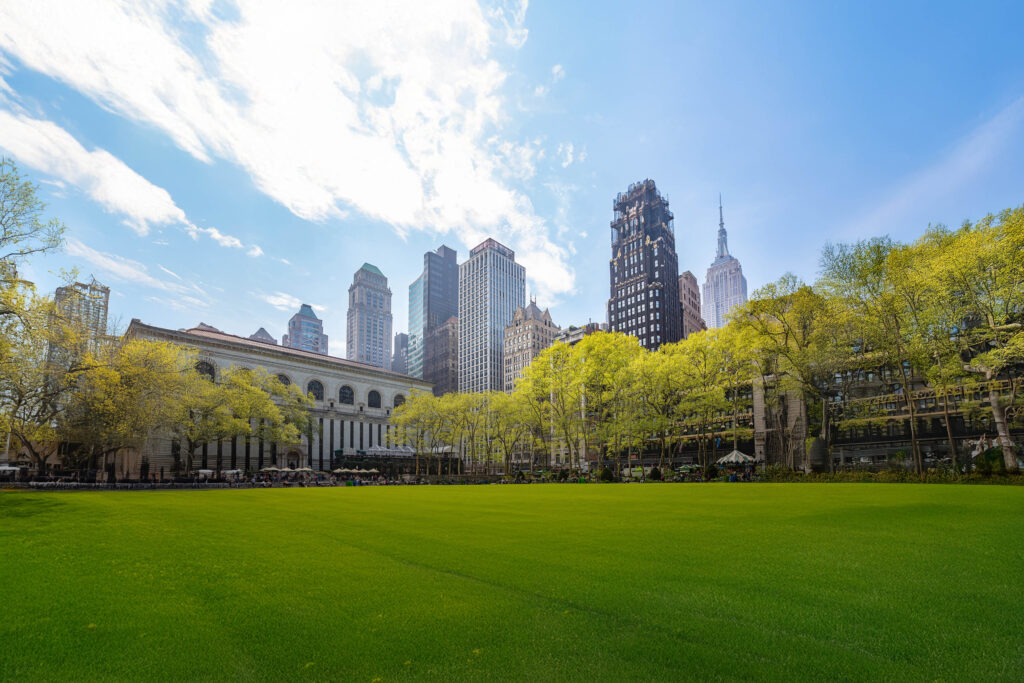
A new report reveals that global business districts (GBDs) are experiencing a significant rebound, solidifying their status as crucial economic hubs worldwide. Despite the upheavals of the pandemic, almost two-thirds (63%) of 250 business district stakeholders surveyed anticipate these areas to be "more attractive" by 2025 compared to 2020. This robust confidence is rooted in the enduring power of major urban centers like Manhattan, Downtown Core Singapore, and the City of London. These districts collectively support over 7 million jobs, host 84 Fortune Global 500 company headquarters, and contribute a staggering US$4.5 trillion to global GDP, leveraging structural advantages such as world-class transport, dense business clusters, and privileged access to talent.
The rise of hybrid work has introduced challenges, however, reshaping expectations for GBDs. Average occupied office space has declined by 5-10% since 2019, with office attendance averaging only two days a week. Consequently, 60% of firms in Europe and the US plan further real estate footprint reductions within three years, positioning real estate as a prime cost-saving lever amidst global economic slowdowns and uncertainty. A key tension highlighted is that fewer than one in five executives believe the cost of locating in GBDs is truly proportionate to the value provided, prompting a critical reevaluation of real estate strategy.
The report identifies four key trends reshaping the future of GBDs. Firstly, **talent attractiveness** is paramount, with 76% of executives ranking it as their top priority. GBDs must evolve beyond just office buildings to offer diverse urban experiences, including green spaces, retail, culture, and leisure, with housing becoming a critical concern for 46% of respondents. Secondly, the question of "fair value" drives demand for **high-quality, modern, tech-equipped, and energy-efficient buildings** that can justify their premium. Districts failing to adapt risk being surpassed. Thirdly, **technology** is vital, not only as an operational lever but as a catalyst for innovation. Almost half (42%) advocate for stronger collaboration between research institutions and companies, with AI initiatives deemed crucial by 27%.
Finally, **sustainability** has ascended to the forefront of the GBD agenda, requiring comprehensive integration of climate considerations into planning, investment, and governance. Key levers include implementing green building standards and accelerating the transition to a circular economy. Despite growing ambition, a significant gap remains, with less than 10% of executives believing GBDs are currently on track to address climate risks effectively. Looking ahead, these global business districts are poised to transform into "central social districts"—inclusive, mixed-use environments that seamlessly blend work, living, culture, and climate resilience, ensuring their continued vitality as command centers for global business in the coming decade.
Sustainable Empathy Leadership: Preventing Manager Burnout

AI Floods Creative Market: The Need for Industry Governance
IMF warns Europe on targeted war energy support

Ireland’s Data Center Boom Strains Power and Growth Model
Iran Crisis Pushes EU Economy Off Summit Agenda

Lagarde Says Eurozone Economy Falls Below ECB Outlook