UK defence funding crisis warning
Britain’s armed forces could be forced to reduce training and operational activity if the government does not increase defence funding, the UK’s top military officer has warned. Air Chief Marshal Sir Richard Knighton said current budget plans do not provide enough money for day-to-day military work, raising concerns about readiness and long-term capability. His warning
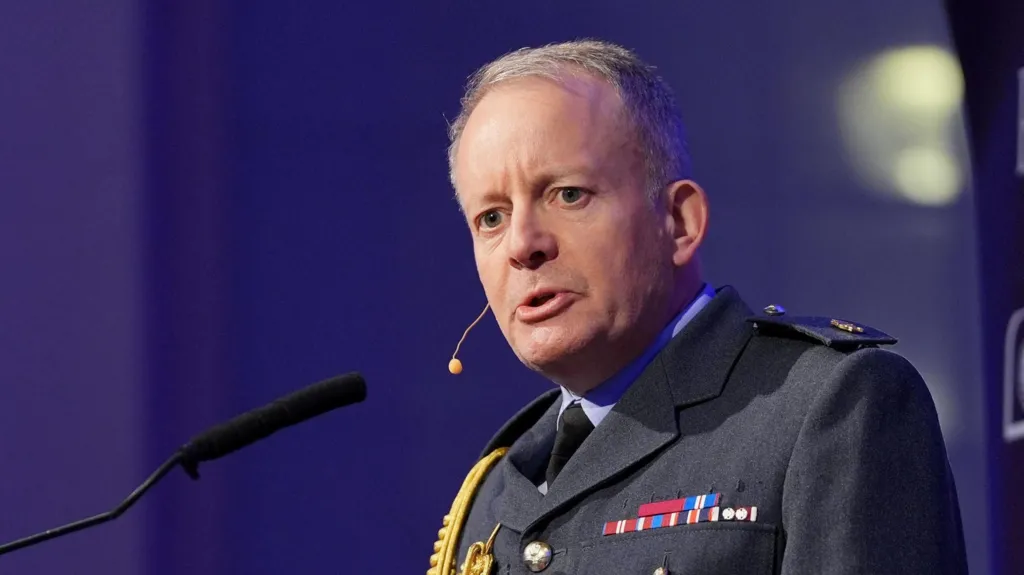
Britain’s armed forces could be forced to reduce training and operational activity if the government does not increase defence funding, the UK’s top military officer has warned. Air Chief Marshal Sir Richard Knighton said current budget plans do not provide enough money for day-to-day military work, raising concerns about readiness and long-term capability.
His warning comes during a growing political dispute over defence spending, following the resignation of former Defence Secretary John Healey. Healey stepped down last week, saying the government’s proposed funding plan would weaken military readiness and put service members at greater risk. His departure has added pressure on the government’s defence strategy.
Speaking to MPs in the House of Commons, Healey said his decision was based on national interest rather than personal career reasons. He argued that the current defence investment plan does not match the scale of global security threats. He warned that delays and underfunding could leave the UK less prepared than its allies.
Healey also criticised the Treasury, saying it was not willing to provide enough funding. He argued that global threats do not follow political timelines and that defence planning must reflect real-world risks. He called for faster and higher investment in military capability.
The government has committed to increasing defence spending to 3.5% of national income by 2035, in line with NATO allies. However, critics say the plan lacks urgency. Healey has argued that the UK should reach 3% of GDP on defence by 2030, warning that the current timeline is too slow.
The Defence Investment Plan, which outlines future spending, was expected to be released last week but has been delayed following Healey’s resignation. Reports suggest the plan includes around £10 billion in additional funding over four years. Military sources say this is significantly below what defence leaders believe is necessary.
A second resignation added to the pressure. Armed Forces Minister Al Carns also left his role, saying the investment plan was not strong enough to protect the country. He said it did not place enough focus on modern warfare, especially drone technology, and instead relied too heavily on traditional defence systems.
Air Chief Marshal Knighton echoed these concerns while speaking to the Lords International Relations and Defence Committee. He said he is most worried about funding for day-to-day military activity. This includes training, exercises, and operations that keep forces prepared for real conflict.
He explained that this type of funding is essential for readiness. Without it, soldiers, sailors, and air personnel cannot maintain the level of skill needed for modern missions. He warned that without changes to the budget, these activities would come under pressure.
Knighton said the armed forces may need to scale back training and operational exercises if no extra funding is approved. He stressed that this would directly affect readiness and could weaken the UK’s ability to respond quickly to threats. He added that the situation is still under review by the new Defence Secretary Dan Jarvis.
The government has defended its overall defence strategy. Prime Minister Keir Starmer said defence spending is already increasing from 2.3% to 2.6% of GDP. He said the new investment plan will support future military capability and strengthen long-term security.
Starmer also said that money has already been moved from other government departments to support defence priorities. He said the new Defence Secretary is currently reviewing how funds will be allocated. According to the Prime Minister, discussions are ongoing to ensure the best use of available resources.
Despite this, tensions remain high within government and military leadership. Critics argue that the spending increases are too slow and do not match the scale of global security risks. They also say the UK could fall behind NATO allies, many of which are increasing defence spending more rapidly.
The debate comes at a time of rising global instability and increased focus on military readiness across Europe. Defence leaders say the coming months will be critical in deciding whether the UK can maintain its current level of operational strength or face cuts to training and preparedness.
The final shape of the Defence Investment Plan is still under review, and further announcements are expected once the new Defence Secretary completes his assessment.