Andy Burnham Leadership Race Nears Final Stage
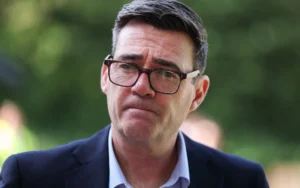
Andy Burnham has moved closer to becoming the next leader of the Labour Party after gaining strong backing from fellow lawmakers. The former Greater Manchester mayor is currently the only Labour member of parliament to publicly declare his candidacy following Keir Starmer’s resignation. Burnham, 56, is expected to secure enough support from Labour lawmakers to
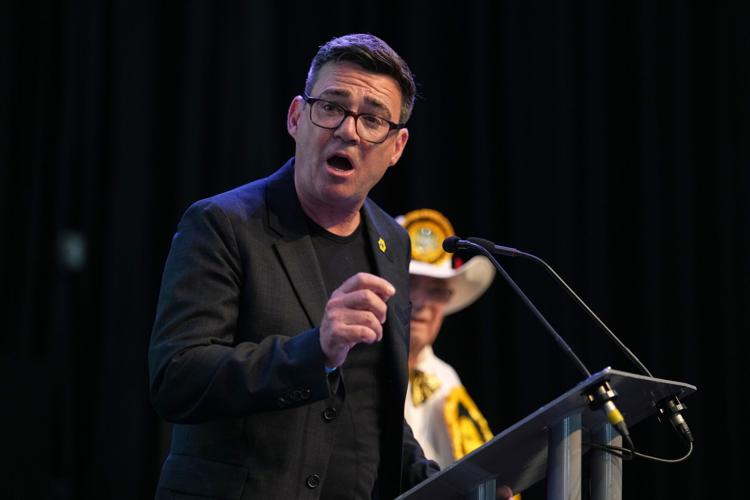
Andy Burnham has moved closer to becoming the next leader of the Labour Party after gaining strong backing from fellow lawmakers. The former Greater Manchester mayor is currently the only Labour member of parliament to publicly declare his candidacy following Keir Starmer's resignation.
Burnham, 56, is expected to secure enough support from Labour lawmakers to officially enter the leadership race. Under party rules, a candidate must receive nominations from at least 81 of Labour's 402 members of parliament to qualify for the contest.
Political observers believe Burnham is likely to pass that requirement without difficulty. Attention is now focused on whether another candidate can gather enough support to challenge him.
If no other candidate reaches the nomination threshold, Burnham will automatically become Labour leader at a special party conference scheduled for July 17.
Under that scenario, he would become the party's new leader and prime minister-designate before taking office at 10 Downing Street three days later.
If another candidate qualifies, Labour members and affiliated trade unions will vote to choose the new leader. The party has scheduled the result of that ballot for August 29.
Burnham's position strengthened further after former Armed Forces Minister Al Carns announced he would not enter the leadership race.
Carns said he had initially believed a leadership contest would provide an opportunity for a wider debate about the party's future. However, he later concluded that a lengthy internal campaign was not in the country's best interest.
Instead, Carns publicly endorsed Burnham and called for the party to focus on governing rather than spending months on internal politics.
Burnham has outlined an agenda centered on shifting more decision-making power to local communities and regional governments across the United Kingdom.
In a major speech delivered in June, he promised to deliver one of the largest transfers of political power in the country's history. He said local people and local areas should have greater control over decisions that affect their daily lives.
Burnham also pledged to improve living standards across the country. He argued that economic reform and political change must happen together if Britain is to address long-term challenges.
His campaign has focused on strengthening local economies while maintaining responsible public finances. Burnham has said fiscal discipline remains important and has supported maintaining the government's existing borrowing limits.
He has also proposed creating a "No. 10 North," a new office designed to coordinate greater regional decision-making outside London.
The leadership contest follows the resignation of Keir Starmer, who stepped down on June 22 after losing the confidence of Labour members of parliament following months of pressure over policy changes and leadership questions.
Burnham returned to Parliament shortly before launching his leadership campaign. He previously served as a Labour member of parliament from 2001 until 2017 before becoming Mayor of Greater Manchester.
His return was welcomed by many Labour lawmakers, with hundreds joining him for a group photograph at Westminster shortly after he was sworn in. The display was widely seen as a sign of growing support for his leadership bid.
Former Health Minister Wes Streeting also announced that he would not seek the party leadership and instead endorsed Burnham's campaign.
Opinion surveys have consistently shown Burnham as one of Labour's most popular politicians. Many party members believe he could help rebuild public support before the next general election, which is expected by 2029.
Labour has faced increasing political competition from Reform UK in recent opinion polls. Although the gap has narrowed in recent weeks, many within the party believe new leadership could strengthen Labour's position.
Some Labour lawmakers have expressed optimism about Burnham's leadership while also acknowledging the challenges ahead. If he becomes prime minister without a full leadership contest, he would have only a short period to prepare for leading both the government and the party.
As nominations continue, Burnham remains the clear front-runner. Whether he faces a challenger or secures the leadership unopposed, the coming weeks are expected to shape the future direction of the Labour Party and the next stage of British politics.
England Social Care Crisis Talks Begin Across Parties
Myles Smith Tour Cancellation After Family Health Issue

Train Driver Toilet Access Dispute Raises Concerns
Bahrain Spyware Lawsuit Ruling Moves Ahead
UK Welfare Spending Reform Faces Fresh Debate
Burnham Hosts Zelenskyy as UK Reaffirms Support for Ukraine