
UK Heat Wave Deaths Rise as Temperatures Drop
A record-breaking UK heat wave is coming to an end after pushing temperatures above 35C across parts of Britain and being linked to 12 water-related deaths, according to officials and forecasters. The extreme heat wave brought some of the highest May temperatures ever recorded in the UK. England and Wales saw temperatures reach 35.1C at
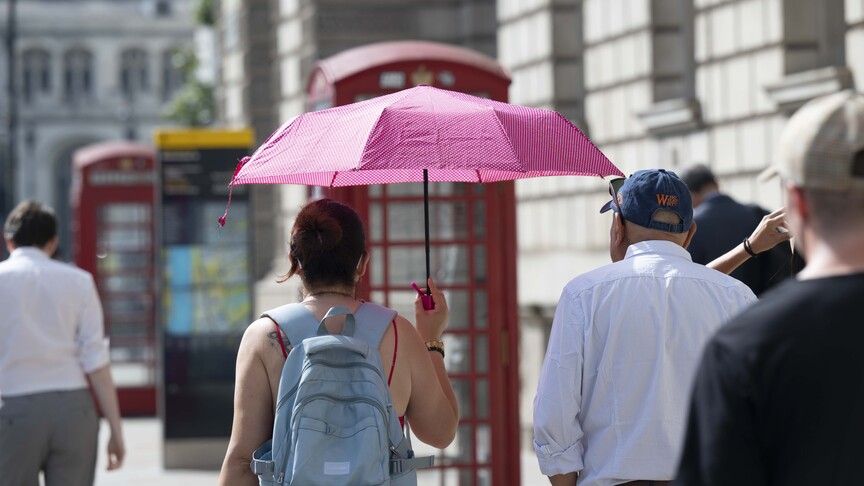
A record-breaking UK heat wave is coming to an end after pushing temperatures above 35C across parts of Britain and being linked to 12 water-related deaths, according to officials and forecasters.
The extreme heat wave brought some of the highest May temperatures ever recorded in the UK. England and Wales saw temperatures reach 35.1C at Kew Gardens in west London earlier this week, marking the hottest May day on record. The prolonged heat led many people to seek relief in rivers, lakes, and reservoirs, where several fatal incidents occurred.
Authorities say at least 12 people have died in water-related incidents during the hot spell. The latest confirmed victim was 16-year-old Charlie Noble, whose body was recovered in Stirlingshire, Scotland, on Thursday.
As the heat wave ends, the Met Office said cooler Atlantic air is moving across the country. This shift is expected to bring temperatures back closer to seasonal averages, along with widespread showers and possible thunderstorms over the weekend and into early next week.
Met Office Chief Forecaster Chris Bulmer said the intense hot spell is now breaking down. He explained that conditions will gradually become cooler and more unsettled, with rainfall affecting many parts of the UK.
“We’re now starting to see this spell of very hot weather break down,” Bulmer said. He added that temperatures will return to more typical levels for this time of year as the weather system changes.
While the drop in temperature will bring relief from the heat, safety officials are warning that water risks remain high. They say many people underestimate the dangers of cold water, even during warm weather periods.
Ashley Jones, head of water safety and education at the Royal Life Saving Society UK, said cold water shock remains a serious threat. He explained that sudden immersion in cold water can trigger an involuntary gasp, rapid breathing, and panic, which can quickly lead to drowning even for strong swimmers.
He urged the public to use lifeguarded swimming areas where possible and to avoid swimming alone. He also stressed that in emergencies, people should call for help rather than enter the water themselves.
The combination of hot weather and increased outdoor activity has raised concerns among safety experts. Rivers, lakes, and reservoirs often appear calm during heat waves, but water temperatures can remain dangerously low, creating hidden risks for swimmers.
Emergency services across the UK have responded to multiple incidents during the heat wave, as more people sought relief from the high temperatures. Officials say the rise in outdoor water activity is a recurring risk during sudden warm spells.
Despite the recent cooling trend, forecasters say the UK weather pattern will remain unsettled into next week. However, there is a possibility of warmer and more stable conditions returning later in June.
The Met Office said the current shift marks a return to more typical early summer weather after an unusually intense and early heat wave period.
As the country moves away from record temperatures, authorities continue to stress caution around water safety, particularly as outdoor activity levels remain high even as conditions change.