
Badenoch Challenges Burnham On UK Defence Spending
Conservative leader Kemi Badenoch has challenged Prime Minister Andy Burnham over Britain’s defence spending and welfare policy, arguing that the government needs to prepare more quickly for security risks in Europe. Her comments were published in the September 20 news cycle as political debate intensified ahead of the government’s first budget. Badenoch said Britain should
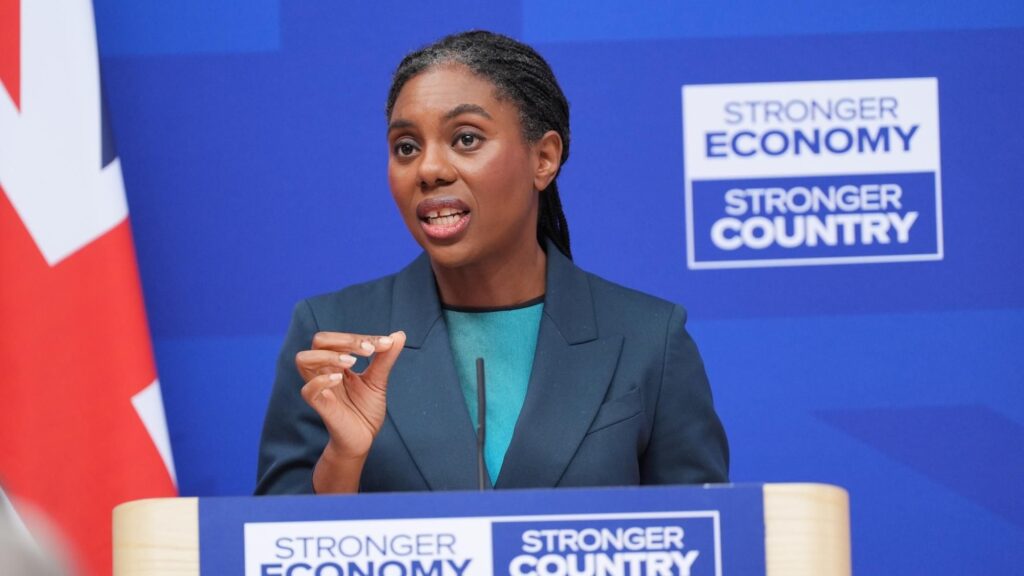
Conservative leader Kemi Badenoch has challenged Prime Minister Andy Burnham over Britain's defence spending and welfare policy, arguing that the government needs to prepare more quickly for security risks in Europe. Her comments were published in the September 20 news cycle as political debate intensified ahead of the government's first budget.
Badenoch said Britain should consider reducing some welfare spending to create more room for defence. She pointed to concerns about European security and argued that the government should give greater priority to military preparedness. Her comments put pressure on ministers to explain how future defence commitments will be funded.
Burnham has taken a different position, saying that national security should not come at the expense of social security. The disagreement reflects a broader debate over how Britain can increase defence spending while maintaining public services and support for households facing financial pressure.
Britain has committed to increasing defence spending to 3.5 percent of national income by 2035. The government still needs to set out how future increases will be financed. That question is important because the country is also dealing with borrowing costs, inflation and pressure on public services.
The Conservatives have proposed changes to housing support as one way to find additional money for defence. Badenoch's position links welfare policy directly to military spending, while Labour ministers have emphasized the need to balance defence with social protection and economic stability.
The issue is likely to remain important as the government's budget approaches. Chancellor John Healey is under pressure to explain how Britain will meet its long-term defence commitment without creating unsustainable pressure on public finances. Decisions about taxes, spending and borrowing will shape the debate.
The political dispute also comes as European governments reassess security policy. Russia's war and wider military tensions have led many countries to discuss higher defence spending. Britain is a major NATO member, so its plans are closely watched by allies as well as domestic political opponents.
For the government, the challenge is to combine defence planning with other economic priorities. Ministers must support public services, respond to household costs and manage the national debt while also meeting international security commitments. The budget will provide a clearer picture of how those goals are being balanced.
For the opposition, defence offers an opportunity to question the government's priorities and demand faster action. Badenoch's comments ensure that the relationship between welfare and military spending will remain part of Britain's political debate. The coming budget and future spending plans will show how the government responds to the pressure.
The defence debate also raises a broader question about how Britain should set priorities when public finances are limited. Increasing one area of spending can require changes elsewhere unless economic growth or additional revenue provides more room. That is why the argument over defence has quickly become connected to welfare, taxation and public services.
The government will need to explain the timing as well as the total amount of future defence spending. A long-term target can be set years in advance, but budgets are decided annually. Ministers therefore face pressure to show how current decisions will build toward the 2035 commitment without creating sudden pressure on other parts of government.
The debate is likely to continue through the coming political season. The Conservatives can use defence to challenge Labour's spending choices, while the government can argue that security and social protection both matter. The budget will be an important point for the public to see which commitments receive money and how ministers plan to pay for them.
The debate will also be shaped by Britain's wider relationship with NATO and European security. Defence planning is not only a domestic budget issue because British commitments affect allies and joint military programs. At the same time, decisions about welfare affect millions of households, which is why the dispute has become closely linked to questions about the government's economic priorities.
The debate will continue before the budget is finally presented.