
Swalwell Loses Support as Democrats Urge Exit
Democratic Congressman Eric Swalwell is facing a rapid collapse of political support as senior party figures withdraw endorsements and call for him to abandon his campaign for California governor. The backlash follows multiple allegations of sexual misconduct that have shaken an already competitive race. According to Britain Chronicle analysis, the speed and scale of the
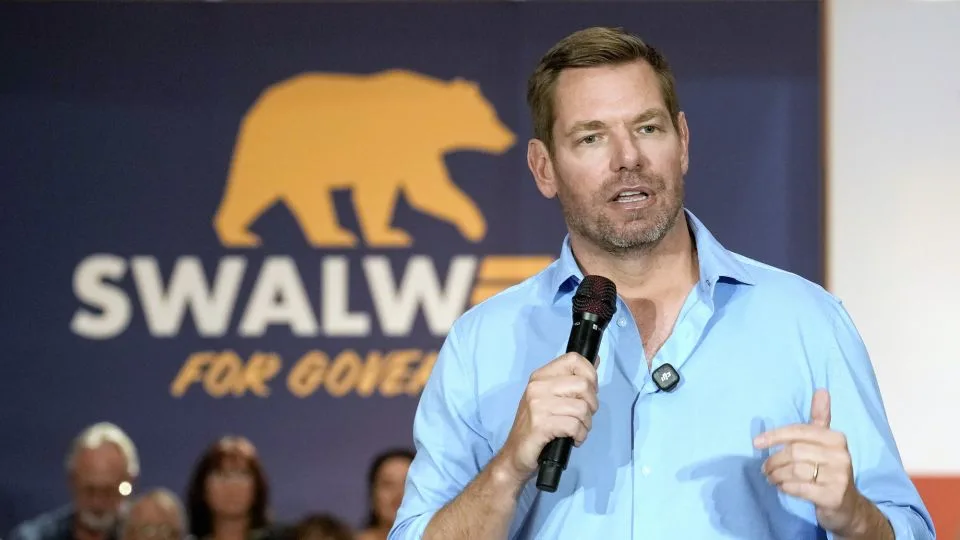
Democratic Congressman Eric Swalwell is facing a rapid collapse of political support as senior party figures withdraw endorsements and call for him to abandon his campaign for California governor. The backlash follows multiple allegations of sexual misconduct that have shaken an already competitive race.
According to Britain Chronicle analysis, the speed and scale of the response suggest the party is moving decisively to contain political damage ahead of a critical primary, prioritizing credibility and electoral risk management.
The controversy emerges just weeks before voting begins, placing the Democratic field under intense scrutiny and raising questions about candidate viability in one of the country’s most closely watched state races.
What Happened?
The campaign of Eric Swalwell unraveled within hours as key Democratic allies distanced themselves from his gubernatorial bid.
Senior figures including Nancy Pelosi and Hakeem Jeffries publicly urged him to withdraw from the race. Their statements were followed by a series of high-profile defections.
Adam Schiff and Ruben Gallego both rescinded their endorsements, while campaign co-chair Jimmy Gomez stepped down. Several campaign staff members and advisers also resigned.
The financial impact was immediate. The Democratic fundraising platform ActBlue halted donations to the campaign, and an independent expenditure group supporting Swalwell suspended its activities.
The controversy stems from allegations reported by multiple outlets, in which several women accused Swalwell of misconduct ranging from inappropriate communication to serious claims of assault. Swalwell has denied all allegations, describing them as false and politically motivated.
Gavin Newsom stopped short of demanding Swalwell’s exit but acknowledged that the accusations are serious and require full attention.
Meanwhile, rival candidates, including Tom Steyer, called for Swalwell to withdraw immediately, intensifying pressure within an already crowded field.
Why This Matters
The collapse of support around Swalwell highlights how quickly political fortunes can shift when allegations of misconduct emerge, particularly in the final stages of an election cycle.
For Democrats, the situation presents both a political and reputational challenge. Party leaders appear determined to signal zero tolerance, aiming to avoid prolonged controversy that could affect voter confidence.
The timing is especially critical. California’s nonpartisan primary system allows the top two candidates, regardless of party, to advance. A destabilized Democratic candidate could alter the dynamics of the race, potentially benefiting opponents.
The issue also underscores broader voter expectations around accountability and conduct. Allegations of this nature tend to carry significant political consequences, regardless of legal outcomes, especially when they dominate media coverage during a campaign.
What Analysts or Officials Are Saying
Democratic leaders have framed their responses as necessary to uphold standards within the party. The rapid withdrawal of endorsements reflects concern over both the seriousness of the allegations and the potential electoral fallout.
Political observers note that the involvement of high-profile figures such as Pelosi and Jeffries signals coordinated pressure rather than isolated reactions. This level of response is often reserved for situations viewed as politically unsustainable.
Allies who initially defended Swalwell have reversed their positions after further details emerged, indicating that new information has reshaped internal assessments.
Campaign insiders suggest that remaining staff are now focused on securing alternative roles, a sign that confidence in the campaign’s survival is rapidly diminishing.
Britain Chronicle Analysis
The speed of Swalwell’s political isolation reveals a party increasingly unwilling to absorb reputational risk in high-stakes races. Democrats appear to have learned from past controversies where delayed responses prolonged damage.
This episode also reflects a broader shift in political crisis management. Immediate distancing has become the default strategy, particularly when allegations involve personal conduct rather than policy disagreements.
However, the approach is not without complications. While decisive action may limit short-term fallout, it can also raise questions about due process and the balance between political accountability and legal standards.
For the Democratic Party, the priority is clear: protect the broader electoral landscape. California remains a key political battleground, and party leaders are signaling that no single candidate outweighs the importance of maintaining credibility with voters.
What Happens Next
Attention will now turn to whether Swalwell formally exits the race or attempts to continue his campaign despite mounting pressure. His next steps are likely to determine how long the controversy remains active in the news cycle.
If he withdraws, the Democratic field could quickly consolidate, reshaping the primary contest. If he remains, the race may become further polarized, with opponents using the issue to gain advantage.
Investigations or additional reporting may also influence the trajectory of the situation. Any new developments could intensify calls for accountability or alter public perception.
UK Nuclear Deterrent: Vital for Britain’s National Defence

Ministers Urged to Share Mandelson Vetting Files Amid Disclosure Row

UK Considers Under-16 AI Chatbot Ban Amid Safety Push

MP Calls for National Biosecurity Strategy UK at Core of Security

Connor Naismith: Why Blue Labour is True Labour

NHS Legal Anomaly Costs Billions: Calls for Urgent Reform