European Flight Cancellations Mount: What Travelers Need to Know
European skies are experiencing significant turbulence, not from weather, but from a wave of widespread flight cancellations impacting hundreds of services daily. Major carriers and regional airlines alike are grappling with unprecedented operational challenges, leading to immense disruption for countless travelers across the continent. This surge in cancelled flights casts a long shadow over the
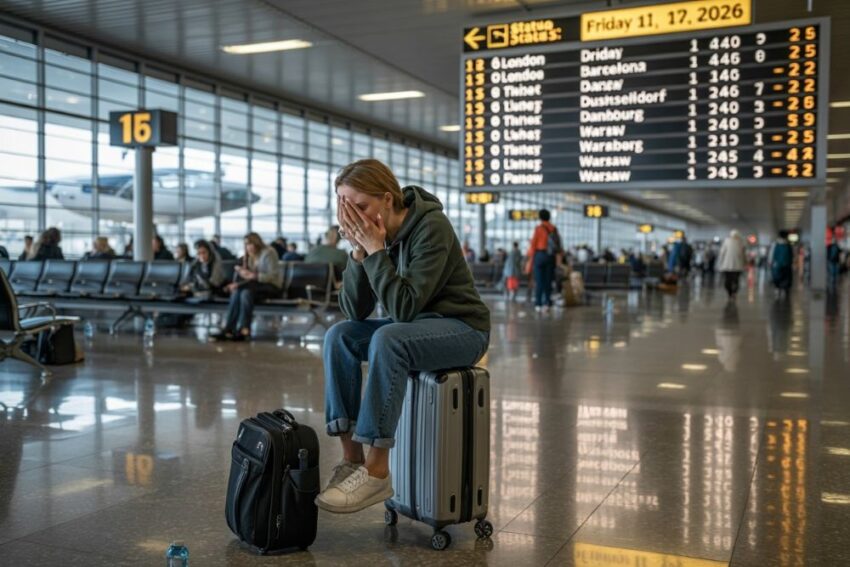
European skies are experiencing significant turbulence, not from weather, but from a wave of widespread flight cancellations impacting hundreds of services daily. Major carriers and regional airlines alike are grappling with unprecedented operational challenges, leading to immense disruption for countless travelers across the continent. This surge in cancelled flights casts a long shadow over the peak travel season, leaving passengers scrambling for alternatives and holiday plans in disarray. From major hubs like Heathrow, Frankfurt, and Amsterdam to smaller regional airports, the ripple effect of these disruptions is being felt acutely.
The primary drivers behind this extensive operational meltdown are multi-faceted. A critical post-pandemic staffing shortage across various roles within the aviation sector – including pilots, cabin crew, ground handling staff, and air traffic controllers – is proving to be a major bottleneck. The industry, having downsized significantly during the pandemic, is struggling to scale up rapidly enough to meet the resurgent demand for air travel. Compounding these issues are ongoing industrial actions and strikes by disgruntled staff demanding better working conditions and pay, further exacerbating the capacity crunch. Occasional adverse weather conditions or technical glitches, while usually manageable, are now tipping an already strained system into disarray.
For passengers, these widespread European flight cancellations translate into frustrating delays, missed connections, and often, unexpected overnight stays or complete re-evaluations of their travel itineraries. The financial burden extends beyond the cost of new tickets, encompassing hotel stays, missed events, and the emotional toll of disrupted plans. Airlines, facing pressure from both regulators and furious customers, are attempting to mitigate the chaos by proactively trimming schedules, consolidating less-full flights, and accelerating recruitment drives. However, the scale of the problem suggests that quick fixes are elusive, prompting questions about consumer rights and compensation for affected travelers under EU regulations.
Looking ahead, the outlook for European air travel remains uncertain, with experts warning that these disruptions could persist for several months, potentially impacting future holiday periods. The industry is under immense pressure to find sustainable solutions to its labor woes and operational inefficiencies. Travelers planning journeys through Europe are advised to monitor flight statuses diligently, consider comprehensive travel insurance, and be aware of their passenger rights. This period of upheaval underscores a critical juncture for European aviation, challenging its resilience and capacity to adapt to rapid shifts in demand and an evolving labor landscape, demanding long-term strategic adjustments beyond immediate crisis management.
High-Speed Robot Palletizers Revolutionize Industrial Efficiency

Blue Origin New Glenn Reuse: Milestone Achieved, Payload Lost
European Travel Fuel Crisis: Summer Vacations Under Threat
Vodafone Incentivized Staff for Franchisee Fines, Lawsuit Alleges

Europe Faces Renewed Fuel Price Protests Amid Energy Rise

Rising European Bond Yields Deepen Fiscal Pressure