Makerfield by-election in the UK could reshape Labour’s future
The Makerfield by-election UK is emerging as a high-stakes political moment that could influence the future leadership of the Labour Party and potentially reshape British politics. What is usually a routine local vote has taken on national importance in the parliamentary seat of Makerfield, a constituency in northern England where just a few thousand voters
The Makerfield by-election UK is emerging as a high-stakes political moment that could influence the future leadership of the Labour Party and potentially reshape British politics.
What is usually a routine local vote has taken on national importance in the parliamentary seat of Makerfield, a constituency in northern England where just a few thousand voters could help determine the direction of the country’s governing party.
The vote is scheduled for June 18 and will fill a vacant seat in the House of Commons after the resignation of Labour MP Josh Simons, who stepped down earlier this year. His departure opened the door for a politically sensitive contest at a time when Labour is facing mounting pressure nationally.
The by-election comes during a difficult period for Prime Minister Keir Starmer, whose government has struggled with declining approval ratings and internal party tensions since winning a landslide general election two years ago.
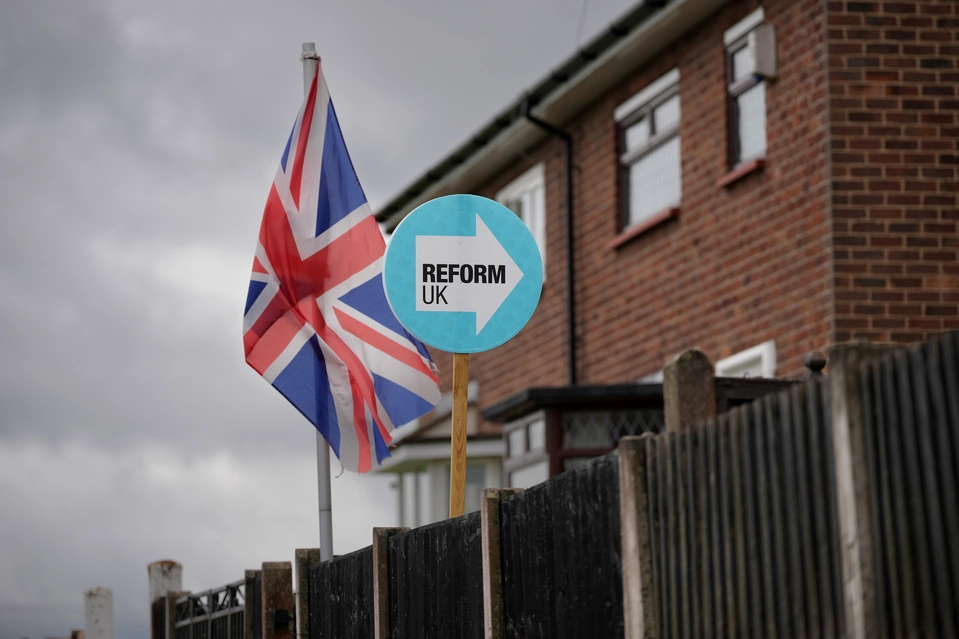
Labour’s popularity has fallen in national polls, while the right-wing Reform Party, led by Nigel Farage, has gained momentum and is positioning itself as a serious challenger ahead of the next general election expected in 2029.
At the center of the political attention is Andy Burnham, the Mayor of Greater Manchester, who is widely seen as a potential future Labour leader despite not currently being a Member of Parliament.
Andy Burnham previously served as a Labour Cabinet minister and was an MP for 15 years before leaving Westminster nearly a decade ago to lead Greater Manchester, England’s second-largest metropolitan region.
Burnham has built strong popularity in northern England, where his focus on regional development and criticism of Westminster politics has helped him develop a loyal base of support. His appeal within Labour’s grassroots ranks has made him one of the party’s most influential figures outside Parliament.
The Makerfield seat, located near Manchester, is seen as a natural political base for Burnham. It sits in an area he knows well and where he previously represented nearby constituencies during his time in Parliament.
However, the contest is far from straightforward. The constituency is considered a challenging political battleground, with a large white working-class population and strong support for Brexit-related policies.
These conditions have created fertile ground for the Reform Party, which has been steadily gaining support in similar regions. Party leader Nigel Farage has committed significant attention to the seat, viewing it as a potential breakthrough opportunity.
Reform’s candidate, Robert Kenyon, a local plumber who previously ran against Labour in the last general election, is expected to mount a strong campaign. In 2024, he secured more than 12,000 votes, though Labour retained the seat comfortably at the time.
Since then, national polling trends have shifted significantly, with Reform’s support increasing while Labour’s standing has weakened, making the race far more competitive.
Despite the challenge, Burnham is considered a strong contender due to his regional recognition and personal political brand. In Greater Manchester, he is widely known and often outperforms national Labour figures in popularity surveys.
Political observers say by-elections can be unpredictable, especially in areas experiencing rapid political change. The Makerfield vote is expected to be closely contested, with both Labour and Reform seeing it as a key test of their national appeal.
The implications of the result extend far beyond the constituency itself. A victory for Burnham would immediately place him in a position to challenge Starmer’s leadership of the Labour Party, according to political analysts.
Such a development could trigger a rapid shift in UK politics, potentially leading to a new Labour leader and even a change in prime ministerial leadership within months.
On the other hand, a defeat for Burnham would significantly weaken his standing and likely end his prospects of returning to Westminster in the near term. It would also strengthen Starmer’s position, at least temporarily, within the party.
The outcome could also intensify pressure on Labour from within its ranks, particularly if Reform performs strongly regardless of the result.
For Starmer, the stakes are high as he attempts to stabilize his government amid falling approval ratings and internal debate over strategy and leadership direction.
For Burnham, the election represents both a political opportunity and a risk that could define his future ambitions at the national level.
As campaigning intensifies, Makerfield has shifted from a quiet by-election into a focal point of British politics, with national media attention and party leadership futures now tied closely to the outcome.
The result on June 18 is expected to have implications far beyond the constituency, potentially influencing the trajectory of the Labour Party and the broader political landscape in the United Kingdom.